
Leading Selection Of Foundation Repair Materials For Durable Fixes
Browse high-quality repair materials crafted to address various foundation issues and ensure lasting stability.
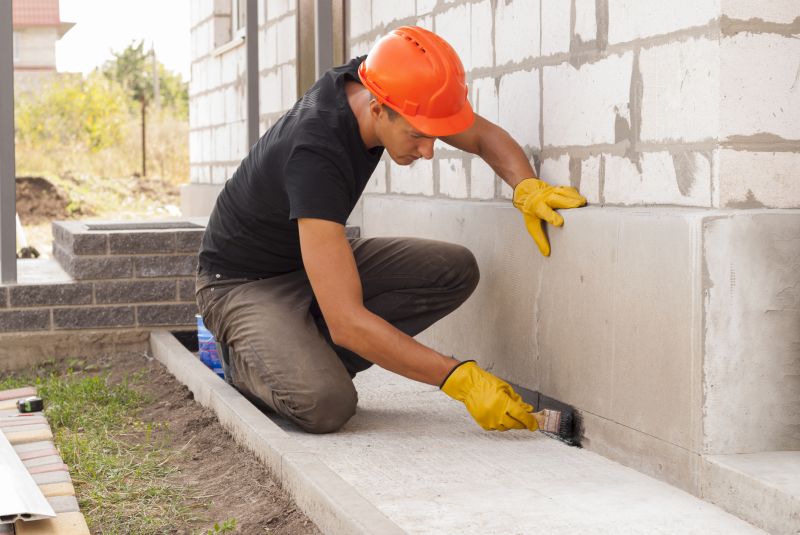 Foundation repairs are a critical aspect of maintaining the structural integrity of a building. When issues such as cracking, settling, or shifting are observed, it is essential to explore appropriate repair products that can help stabilize and reinforce the foundation. These products vary widely in design, application, and suitability for different types of foundation problems. From hydraulic jacks to epoxy injections, the array of solutions available allows homeowners and contractors to select options tailored to the specific needs of their property.
Top Overall Option
Hydraulic Push Pier System
The hydraulic push pier system is a versatile and effective solution for underpinning and stabilizing sinking or settling foundations. It involves installing steel piers beneath the foundation and using hydraulic jacks to lift and support the structure. This method is suitable for a range of soil conditions and can provide long-term stability. Proper installation by experienced professionals ensures that the foundation is reinforced securely, helping to prevent further movement or damage.
Types of Products For Foundation Repairs
Carbon Fiber Reinforcement Strips
Used for crack stabilization and reinforcement, these strips are bonded to the surface of concrete to prevent further cracking and improve structural integrity.
Epoxy Injection Kits
Designed to seal and fill cracks in concrete foundations, epoxy injection kits restore strength and prevent water intrusion.
Helical Piers
Helical piers are screwed into the ground beneath the foundation to provide support in shifting or unstable soils, suitable for underpinning.
Push Piers
Push piers are driven into the soil beneath the foundation to lift and stabilize sinking structures, often used in residential repairs.
Mudjacking / Slab Jacking
This method involves injecting a slurry beneath concrete slabs to lift and level uneven surfaces caused by soil settlement.
Soil Stabilization Products
These products include chemical injections and grouts that enhance soil bearing capacity and reduce settlement issues.
Underpinning Systems
Underpinning involves extending the foundation to more stable soil layers using various support methods, including piers and piles.
Waterproofing Membranes
Applied to exterior or interior foundation surfaces, waterproof membranes help prevent water intrusion and related damage.
Anchor Bolts and Braces
These are used to reinforce and stabilize walls and foundation elements susceptible to shifting or cracking.
Grouting Materials
Grouts are used to fill voids and stabilize soil or concrete, providing additional support and preventing further settlement.
Popular Choices
A common choice for foundation stabilization, these piers are driven into the ground and hydraulically lifted to support the structure.
Used in slab leveling, these mixtures are injected beneath slabs to restore level surfaces and reduce tripping hazards.
Popular for minor cracks, these strips reinforce the concrete surface and prevent further deterioration.
Widely used for sealing foundation cracks, epoxy injections restore structural integrity and prevent water leaks.
Effective for addressing soil-related issues, these products improve soil bearing capacity and reduce settlement.
Applied to the outside of foundations, these membranes help keep water out and reduce hydrostatic pressure.
Used to seal interior cracks and prevent water infiltration, these products are suitable for minor repairs.
Commonly used to stabilize walls and prevent movement, anchor bolts provide additional structural support.
Injected into the soil, these stabilizers help reduce soil movement and support foundation stability.
Understanding the variety of products available can assist in making informed decisions. Some products are designed for minor cracks and superficial repairs, while others are suitable for more extensive structural issues. Proper assessment of the foundation condition is crucial before selecting a repair product, ensuring that the chosen solution provides effective support and longevity. Consulting with a foundation specialist can provide clarity on the most appropriate options for your specific situation.
When choosing foundation repair products, factors such as material compatibility, ease of application, durability, and cost should be considered. Many products come with detailed instructions and are designed for DIY use, but complex issues may require professional intervention. It is also important to consider the local climate and soil conditions, as these can influence the performance of certain repair solutions. Proper installation and maintenance are key to ensuring the effectiveness of foundation repair products over time.
Overall, selecting the right foundation repair products involves balancing effectiveness, safety, and budget. By understanding the different types of available solutions and their applications, property owners in Crystal Lake, IL, can better navigate the repair process and choose products that support the stability and safety of their structures for years to come.
Key Buying Considerations
- Assess the extent and type of foundation damage to determine suitable repair solutions.
- Consider the soil conditions and whether they are prone to shifting or settling.
- Evaluate the compatibility of repair products with existing foundation materials.
- Determine if professional installation is recommended or if DIY products are sufficient.
- Check the product's load-bearing capacity and suitability for your specific foundation type.
- Review product durability and resistance to environmental factors like moisture and temperature changes.
- Consider ease of application, especially if planning a DIY repair project.
- Factor in the long-term maintenance requirements of the repair products used.
- Research local building codes and regulations related to foundation repairs.
- Estimate the overall project budget, including potential professional services if needed.
- Look for products with clear instructions and safety guidelines.
- Assess the availability of warranties or guarantees on repair products.
- Consider the potential impact of repair products on property value and resale.
- Evaluate customer reviews and expert opinions for insights into product performance.
- Prioritize products that offer comprehensive support for both minor and major foundation issues.